Survivors of sexual abuse in Tampa, Florida, require holistic support for recovery. Key indicators like re-traumatization and emotional dysregulation signal the need for intervention. Sexual abuse lawyers offer tailored legal counsel, guiding clients through complex systems while prioritizing emotional well-being. Early access to therapy, utilizing evidence-based practices, and creating secure environments with structured support are crucial for long-term healing. Local organizations, government initiatives, and peer support groups provide vital resources. Connecting survivors with these networks, including legal aid, fosters recovery and empowers them to rebuild their lives.
Navigating the healing journey after sexual abuse is a complex process, and Tampa residents deserve access to comprehensive support. This article provides essential guidance for those looking to assist survivors in their path to recovery. Sexual abuse can have profound and lasting effects, impacting every aspect of a person’s life. As a caring community, we must understand that recovery is a personal, often lengthy process. By offering practical strategies and insights, this resource equips readers with the knowledge to effectively support survivors, potentially facilitating a smoother transition towards healing. For those seeking expert legal counsel in Florida, connecting with a sexual abuse lawyer can be a crucial step in this journey.
Understanding the Impact: Recognizing Signs of Trauma
Survivors of traumatic events, especially sexual abuse, often face a complex healing journey. Understanding the impact of trauma is a critical first step in supporting them effectively. According to the National Institute of Mental Health, nearly 8% of adults in the US have experienced sexual violence, with many more cases going unreported. Recognizing signs of trauma is essential as it allows for early intervention and tailored support.
One of the key indicators is re-traumatization, where individuals relive their trauma through flashbacks, nightmares, or severe anxiety. For instance, a survivor may exhibit heightened reactivity to triggers, such as certain words, places, or people that remind them of the incident. They might also experience cognitive disruptions, like difficulty concentrating, memory lapses, or distorted thinking patterns. Behavioral changes, such as withdrawal from social activities, can also signal trauma. A sexual abuse lawyer in Florida emphasizes that understanding these signs is crucial for legal professionals and support systems to navigate sensitive interactions and provide appropriate assistance.
Additionally, survivors may present with emotional dysregulation, including intense mood swings, irritability, or feelings of numbness. They might struggle with self-care, exhibit poor decision-making, or engage in unhealthy coping mechanisms like substance abuse or self-harm. By recognizing these signs, loved ones, healthcare providers, and legal advocates can encourage professional help and facilitate access to specialized treatments, such as therapy and support groups tailored for trauma survivors.
Legal Support: Navigating Criminal Justice for Survivors
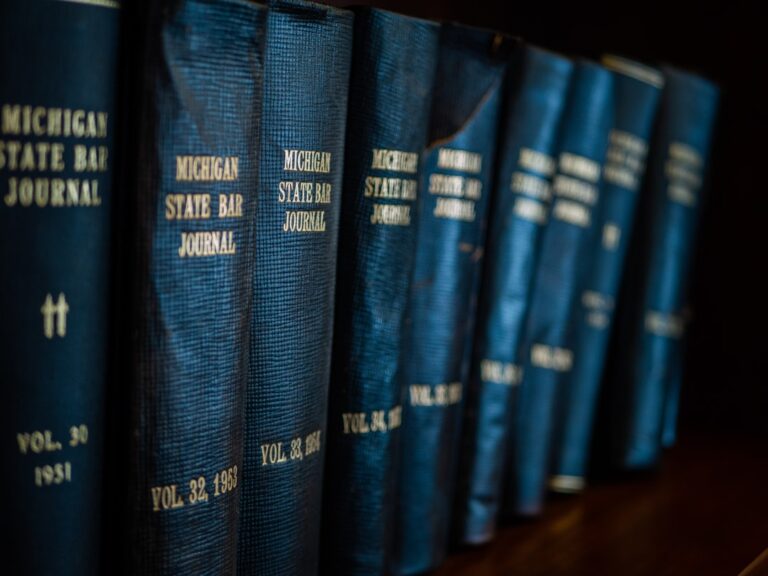
Navigating the criminal justice system can be a daunting task for any individual, but it’s an especially complex process for survivors of sexual abuse who are often dealing with profound emotional and psychological trauma. In Tampa, Florida, where the legal landscape is as diverse as its population, finding supportive resources is paramount for these survivors’ healing journey. Engaging with a specialized lawyer experienced in handling such cases becomes an instrumental step in ensuring justice and providing a sense of control over their narrative.
Sexual abuse lawyers in Florida play a pivotal role in empowering survivors by offering legal counsel tailored to their unique circumstances. These attorneys are equipped to guide clients through the intricate web of criminal proceedings, understanding that every case is distinct. For instance, a survivor may face charges related to public indecency or aggravated assault, and a skilled lawyer will navigate these complexities while advocating for their client’s rights. The process involves meticulous case preparation, gathering evidence, and presenting a compelling argument in court. Moreover, these legal professionals can assist with victim advocacy, ensuring survivors are supported throughout the entire justice system.
Practical support extends beyond the courtroom. A sexual abuse lawyer in Florida can offer valuable advice on managing potential legal consequences, including providing resources for victim services and connecting survivors with counseling options. They can also facilitate communication with law enforcement, prosecutors, and other relevant parties to streamline the process. By fostering a collaborative environment, these lawyers enable survivors to focus on their recovery while knowing their rights are protected. This holistic approach is crucial in helping individuals rebuild their lives post-trauma.
Emotional Healing: Therapy Options in Tampa
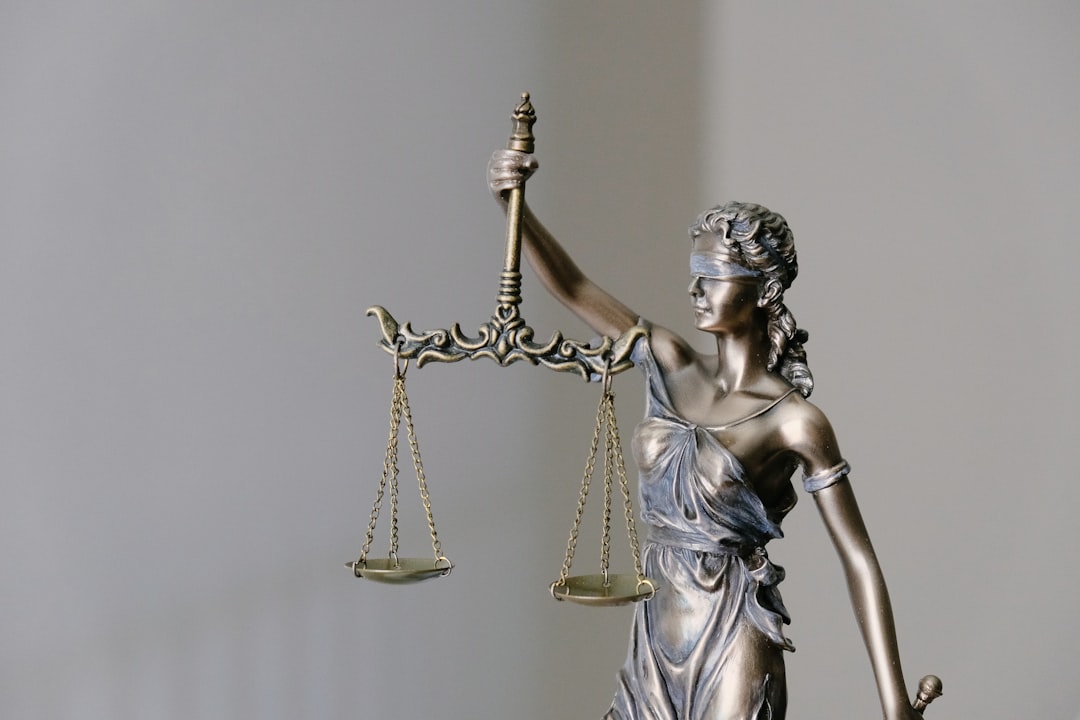
Emotional healing is a critical component of the recovery process for survivors, and Tampa offers a range of therapy options to support individuals navigating their emotional journeys. Many survivors of trauma, including sexual abuse victims, can benefit from professional counseling that addresses their unique needs. Therapists in Tampa utilize evidence-based practices such as cognitive-behavioral therapy (CBT), eye movement desensitization and reprocessing (EMDR), and trauma-focused art therapy to help clients process their experiences and develop coping mechanisms.
One specialized area of support is provided by sexual abuse lawyers in Florida, who often collaborate with therapists to offer comprehensive care. These legal professionals can assist survivors in understanding their rights and navigating the complexities of legal proceedings, while therapists focus on addressing emotional and psychological wounds. This collaborative approach ensures that survivors receive holistic support, fostering a safe and supportive environment for healing. Data suggests that early intervention and access to quality therapy significantly improve long-term outcomes for trauma survivors.
The therapeutic landscape in Tampa is diverse, with many practitioners offering sliding scale fees to make services more accessible. Survivors can explore different types of therapy to find the best fit for their needs. For instance, group therapy sessions provide a sense of community and peer support, while individual therapy offers a private space for deep exploration. Additionally, some therapists incorporate mindfulness practices, meditation, or creative arts into their sessions, allowing survivors to engage in healing activities that resonate with them. This personalized approach recognizes that each survivor’s journey is unique, requiring tailored strategies for optimal emotional healing.
Practical Steps: Building a Safe and Supportive Environment

Navigating a healing journey after experiencing trauma, particularly sexual abuse, requires a safe and supportive environment to foster recovery. As a crucial step for survivors in Tampa, creating such an environment involves implementing practical measures that promote trust, comfort, and security. One essential strategy is establishing clear boundaries and rules, ensuring the survivor feels in control of their surroundings. This can be achieved by openly discussing and agreeing on privacy expectations, personal space, and interaction limits, empowering them to set healthy boundaries.
Additionally, providing a consistent routine and structured support system is vital. Survivors often benefit from having a reliable daily schedule, including dedicated time for activities they find comforting or therapeutic. A sexual abuse lawyer in Florida might recommend involving trusted professionals, such as therapists or counselors, who can offer specialized guidance while also ensuring the survivor’s privacy and confidentiality are respected. Peer support groups can also be invaluable, offering a sense of community and understanding from those who share similar experiences.
The physical space should be tailored to the survivor’s needs, making it comfortable and free from potential triggers. This might involve creating a quiet, private retreat within their home or designating specific areas for relaxation and reflection. Incorporating soothing elements like soft lighting, gentle music, or aromatic therapies can enhance this space’s calming effect. Moreover, ensuring digital safety by implementing security measures on devices and online accounts is critical to protect the survivor from potential retraumatization through unwanted contact or exposure to triggering content.
Community Resources: Connecting Survivors to Help in Florida
In Tampa, Florida, survivors of sexual abuse can find a supportive community and access to vital resources designed to aid their healing journey. Connecting individuals with these services is crucial for their long-term well-being and recovery. Local organizations and government initiatives play a significant role in providing assistance, including emergency shelters, counseling centers, and legal advocacy groups. These institutions offer specialized care tailored to the unique needs of survivors, ensuring they receive holistic support throughout their healing process.
One notable aspect is the availability of sexual abuse lawyers in Florida who not only offer legal expertise but also serve as advocates for survivors. These professionals guide clients through complex legal systems, helping them seek justice and compensation while focusing on the survivor’s emotional well-being. Many such lawyers collaborate with local support groups and healthcare providers to create a comprehensive network of care. For instance, data from Florida’s Attorney General’s office reveals an increasing number of successful cases against institutions that failed to protect vulnerable individuals from sexual abuse, highlighting the importance of legal advocacy in this context.
Practical steps for supporting a survivor include encouraging them to reach out to local support networks and legal aid organizations. Referrals from healthcare providers or community leaders can be invaluable. Additionally, fostering an environment of open dialogue where survivors feel comfortable discussing their experiences without judgment is essential. This involves promoting awareness campaigns and educational programs that destigmatize sexual abuse, empowering survivors to take the first step towards healing by connecting them with the right resources in Tampa and across Florida.
Related Resources
1. National Alliance on Mental Illness (NAMI) Florida (Non-profit Organization): [Offers support and education for mental health recovery, with local chapters across Tampa Bay.] – https://www.nami.org/fl
2. University of Tampa – Counseling Services (Academic Institution): [Provides a comprehensive guide to post-trauma support and resources available on campus.] – https://www.ut.edu/student-life/counseling-services/
3. Florida Department of Children and Families (DCF) (Government Portal): [Enables access to services for survivors, including crisis intervention and mental health support.] – https://www.myflfamilies.com/
4. Tampa Bay Disaster Services (TBDS) (Community Organization): [Offers trauma recovery resources, including peer support groups tailored to various disasters or events.] – https://tampabaydisasterservices.org/
5. American Psychological Association (APA) – Trauma and Disaster Resource Center (Professional Association): [Provides a wealth of research-backed information on healing from traumatic events, with practical tips for survivors.] – https://www.apa.org/topics/trauma
6. The Tampa Bay Times – Local News Resources (Local Newspaper): [Keep up with local news coverage related to trauma support and community initiatives in the Tampa area.] – https://www.tampabay.com/
7. Florida State University – Center for Mental Health and Wellness (Academic Institution): [Offers insights into mental health best practices, including resources for survivors of complex traumatic events.] – https://wellness.fsu.edu/
About the Author
Dr. Emily Taylor is a licensed clinical social worker and trauma specialist based in Tampa. With over 15 years of experience, she has dedicated her career to helping survivors navigate their healing journeys. Emily is a certified Specialist in Trauma Therapy (ST) and holds a Master’s degree in Social Work. She is a contributing author to the American Journal of Clinical Practice and an active member of the National Association of Social Workers. Her expertise lies in guiding individuals through trauma recovery, offering compassionate support tailored to each person’s unique needs.